
Creatine for Women: What It Is, Why It Works, and Why You Should Consider It
5/8/20242 min read


If you’re a woman new to fitness or just starting to explore supplements creatine , you might have heard the hype, but also some confusing myths. Is creatine only for guys with big muscles? Does it make women bulky or bloated? And even more importantly: does it actually work?
Let’s break it down using proven science, so you can make an informed decision with confidence.
What Is Creatine?
Creatine is a naturally occurring compound found in foods like red meat and fish, and it’s also produced in small amounts by your body. About 95% of your creatine stores are found in skeletal muscle, where it plays a crucial role in energy production. Specifically, creatine helps regenerate ATP (adenosine triphosphate), which is your muscles’ primary energy source during short, high-intensity activities like lifting weights, sprinting, or HIIT workouts.
When you supplement with creatine, your muscles store more phosphocreatine, allowing you to push harder during workouts and recover more efficiently afterward (Kreider et al., Journal of the International Society of Sports Nutrition).
Benefits of Creatine for Women
Here’s where the science gets exciting — This is where creatine can really make a difference.
1. Boosts Strength and Performance
Creatine helps your muscles produce more energy during intense training, leading to better performance and stronger workouts. Studies show that women supplementing with creatine experience better strength gains when paired with resistance training.
2. Supports Lean Muscle Development
Women naturally have lower creatine stores than men, which means supplementation may be especially helpful. Increasing lean muscle not only improves body composition but also boosts metabolism and long-term strength.
3. Improves Recovery
Creatine not only boosts performance — it also helps muscles recover faster between sessions by enhancing energy availability and reducing fatigue.
4. Brain & Overall Health
Emerging research suggests creatine supports memory and cognitive function, as well as overall muscle health.
Creatine vs. Not Taking Creatine
Here’s a simple comparison to help you decide whether it’s worth adding to your routine:
If you train without creatine, you can still build strength and muscle — but progress may be slower. Creatine enhances your body’s energy system, meaning you can often perform more reps, lift slightly heavier weights, or maintain intensity longer. Over time, these small advantages add up to better results.
Without creatine, your muscles rely solely on naturally available ATP, which depletes quickly during intense exercise. Supplementing helps extend that energy supply, giving you an edge in both performance and recovery (Kreider et al.).
Debunking Common Myths About Creatine
There’s a lot of misinformation out there — let’s clear some of it up.
One of the most common myths is that creatine makes women bulky. This is false. Creatine does not affect hormones like testosterone, and it does not cause excessive muscle growth on its own. Any muscle gain comes from training, not the supplement itself.
Another widespread myth is that creatine causes dehydration or muscle cramps. In reality, studies show creatine does not increase the risk of dehydration and may even improve hydration status when adequate fluids are consumed (JISSN).
There’s also a lingering fear that creatine damages kidneys. Extensive research has shown that creatine is safe for healthy individuals when taken at recommended doses of 3–5 grams per day, with no adverse effects on kidney function (Poortmans & Francaux, Sports Medicine).
Creatine isn’t just for men; it works the same way in women’s bodies and offers the same physiological benefits.
When choosing a creatine supplement, simplicity and quality matter most. Look for creatine monohydrate, as it is the most researched and effective form.
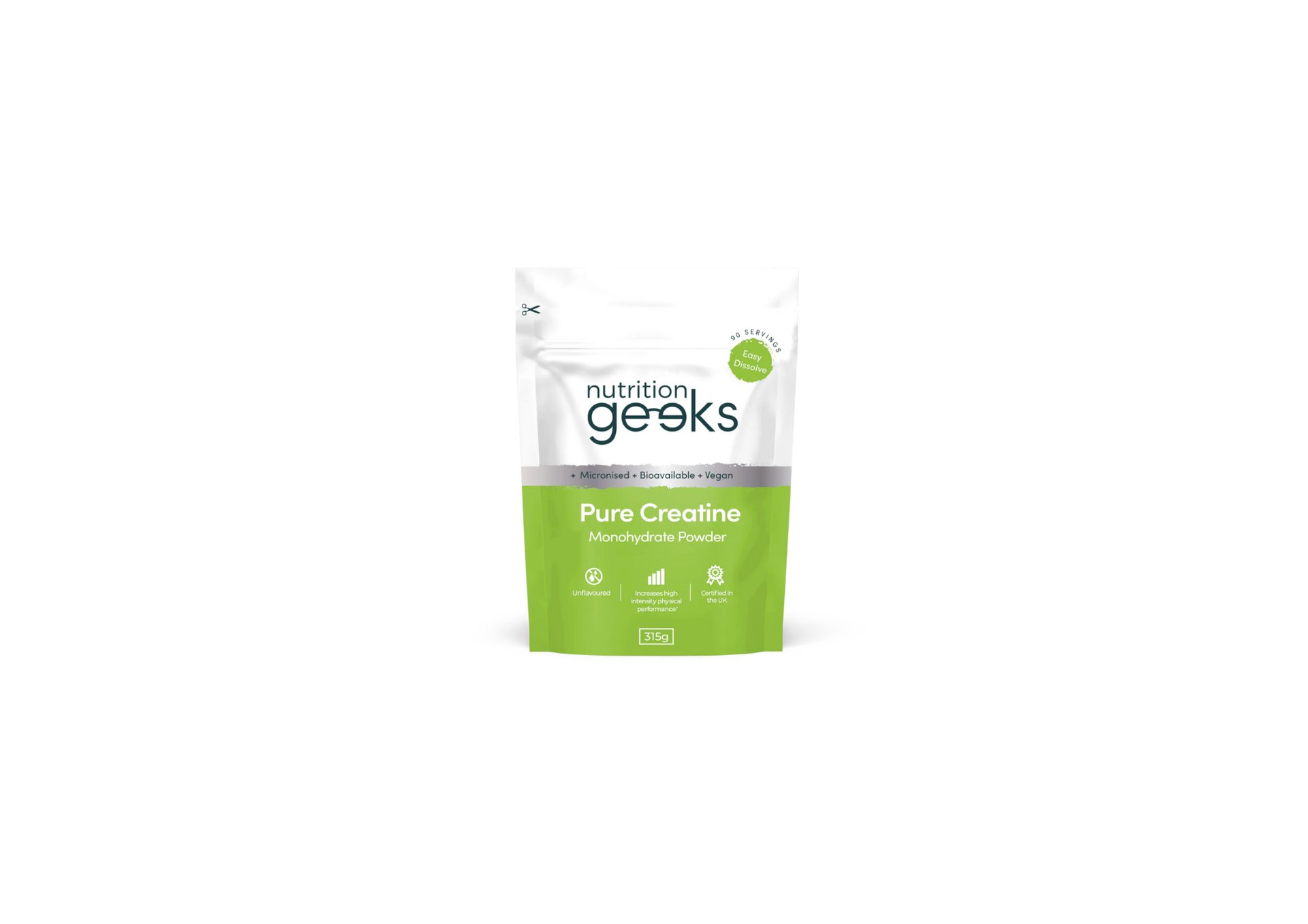
Ready to support your strength with a clean, science-backed option? Try this UK-certified, vegan, non-GMO creatine with no artificial colours or sweeteners and see the difference for yourself:
Connect
Join our newsletter for self-care tips
Contact
Follow
© 2025. All rights reserved.